Prepare to dive into the ALF 4 Body Application Lab—an immersive, hands-on clinical experience where practitioners don’t just learn the ALF, they feel it.
Over three days, participants work in collaboration to fabricate, seat, wear, and adjust their own ALF appliance and that of a fellow participant, while observing real-time changes in their own and others body organization and movement. This course is designed to transform how you diagnose, design, and adjust the ALF by grounding clinical decision-making in direct experience, functional assessment, and in alignment with the original treatment principles and clinical intent established by Dr. Darick Nordstrom, with a strong emphasis on fidelity to technique and appropriate clinical application.
The ALF 4 Body Application Lab is an advanced clinical education course designed to develop practitioner competency in diagnosing patient needs, fabricating the ALF appliance, and making informed adjustments based on observed functional progress. The course is grounded in the understanding that cranial bone mobility and physiologic cranial motion are integral to human movement and postural organization, and that cranial strain and somatic dysfunction exist in a reciprocal relationship. Instruction emphasizes the clinical use of the ALF by qualified dentists as a tool for reducing cranial strain and addressing cranially driven body dysfunction, following the Applied Integration Academy (AIA) model and the original treatment intent established by Dr. Darick Nordstrom.
Over the three-day program, practitioners engage in in-depth discovery and hands-on experience by fully participating in the ALF process themselves. Each participant fabricates an ALF appliance for personal use, has their appliance seated by a fellow practitioner, and performs ALF seating for another participant. In alignment with the AIA model, each practitioner undergoes a body assessment performed by a physical therapist both before and after ALF insertion, allowing direct observation of changes in posture, movement, and body organization. Participants also adjust their own ALF appliance and perform adjustments on another practitioner’s appliance. This first-hand experience provides critical insight into the patient perspective and a deeper understanding of what is clinically possible with appropriate ALF application.
Day One focuses on ALF fabrication, with practitioners working directly with elgiloy wire to create the body of the appliance. Opportunities are provided for participants to solder the entire ALF to gain a deeper understanding from a laboratory technician’s perspective, or fabrication may be completed by the ALF appliance technician. The primary objective of Day One is for practitioners to develop the ability to “feel” the wire—understanding its possibilities, limitations, and how intentional design influences future adjustments. Dental models or scans must be submitted no later than January 15 to support this process.
Day Two emphasizes completion of ALF fabrication and clinical insertion. Practitioners practice seating the ALF appliance for another participant following a comprehensive review of AIA insertion protocols. Each practitioner is assessed by a physical therapist before and after ALF insertion, and participants are instructed to wear their ALF overnight to observe early adaptive responses.
Day Three includes follow-up adjustments, with additional physical therapy assessments performed as needed. Practitioners discuss personal observations and experiences related to wearing the ALF, review AIA protocols that highlight commonly overlooked clinical considerations, and explore additional design elements, lab communication strategies, diagnostic insights, and adjustment considerations. The course concludes with collaborative discussion and Q&A to reinforce clinical integration and practical application.


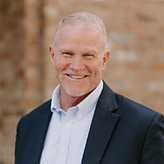
Mike Cantrell, MPT
Physical Therapist, Consultant, Presenter, AIA Founder & Fellow
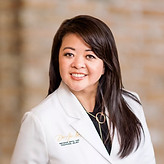
ALICE LAM, DDS
Dentist, Founder of Respiratory Neurodontics, Presenter,
AIA Founder & Fellow
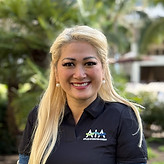
Vi Nguyen, DDS
Dentist, Presenter,
AIA Faculty